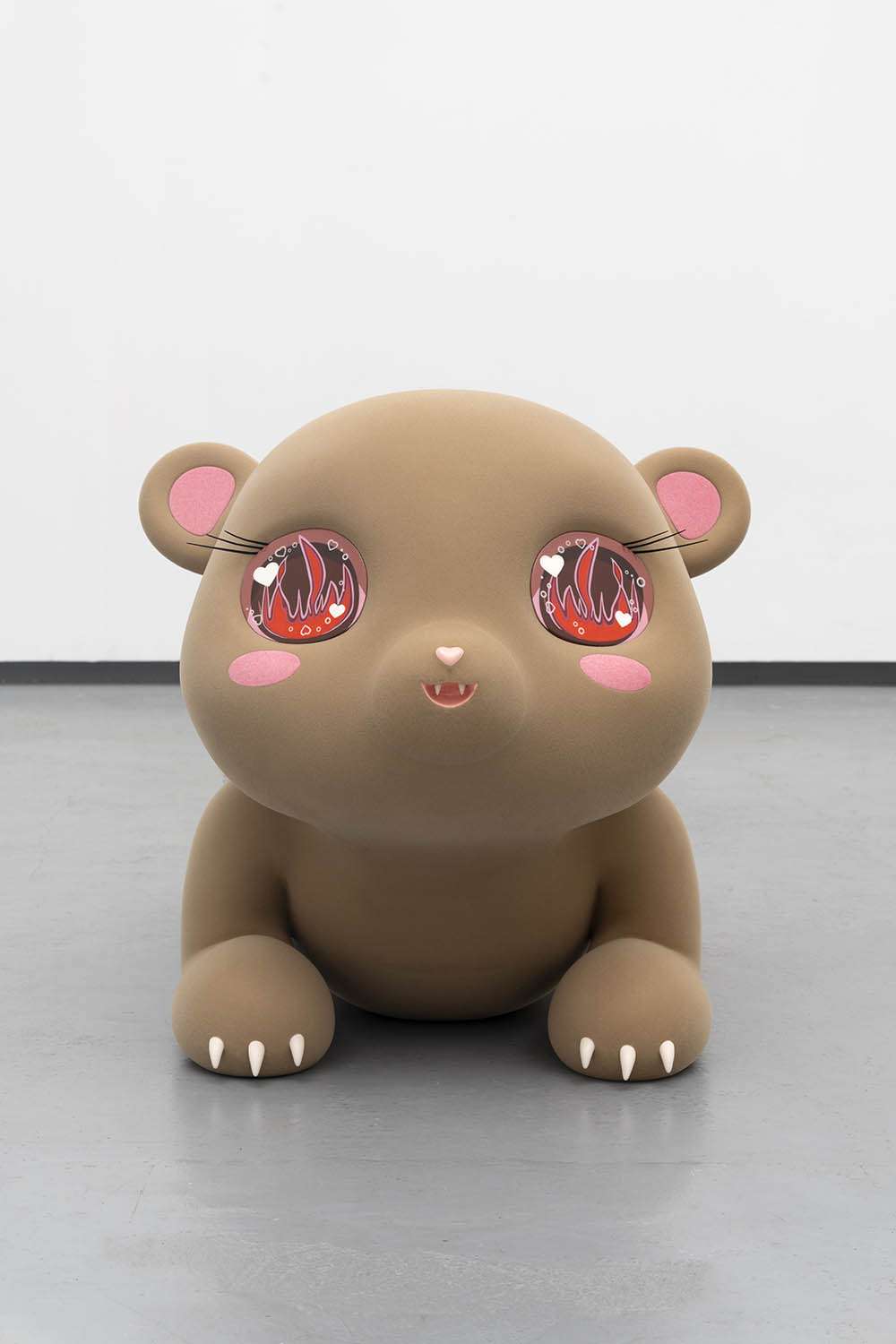
Precious Okoyomon, Trauma slut, 2025
polyurethane, polyamide, flocking, acrylic paint, resin, clear, varnish, sillicone, synthetic ceramic, polyvinyl chloride foil, tulle and lace
24 3/8 x 22 7/8 x 39 3/8 in
MW.POK.046 Courtesy of the artist and Mendes Wood DM, São Paulo, Brussels, Paris, New York
Photo credit: Nicolas Brasseur
Capped at 139 galleries, the 42nd edition of Art Brussels (April 23–26, Halls 5 & 6, Brussels Expo) is redefining the visitor experience with a sharp focus on quality over quantity.
This year’s highlights include “Horizons”, a new section devoted to large-scale works curated by Devrim Bayar (KANAL-Centre Pompidou); “Not Everything Is For Sale”, a tribute to Belgian gallerists by journalist and curator Bernard Micelis; and a fresh artistic project from the Fédération Wallonie-Bruxelles.
For director Nele Verhaeren, the fair strikes a balance between regional focus and international reach, leveraging Brussels’ unique cultural density to circulate ideas and audiences. With 26 solo shows on display, the edition also underscores a clear curatorial commitment.
She shares her insights on what makes this edition a must-visit for collectors, curators, and art lovers alike.
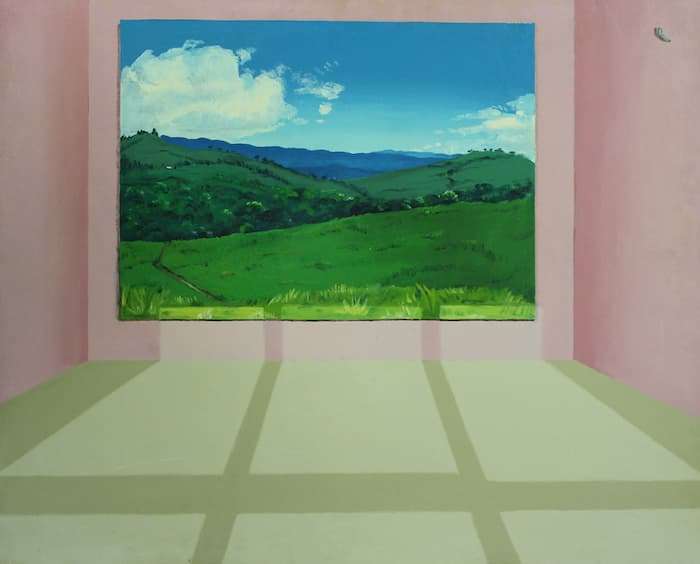
Cybèle Varela
Image, 1974
Industrial paint on wood
61,5 x 75,5 cm
Courtesy of the artist and Galería Isabel Hurley
How does this year’s more compact fair format (16% fewer exhibitors than in 2025) enhance the visitor experience?
The more compact format is a deliberate strategic choice. We wanted to avoid the “race for size,” which often leads to visual overload and visitor fatigue. Bringing together 139 galleries in a tighter configuration allows for a clearer, more navigable layout, where visitors can truly engage with the artworks rather than just skim past them.
This format also encourages meaningful interactions: collectors and professionals have more time and mental space to converse with gallerists, revisit stands, and discover artists under better conditions. It enhances the quality of encounters, rather than multiplying superficial contacts.
Finally, this compactness responds to a very clear expectation from today’s audience: they are seeking not a marathon of booths but a coherent, dense, and carefully curated experience. A more concentrated fair, with a high level of selection, highlights the galleries’ work and makes the visit more enjoyable and efficient, whether for seasoned collectors or curious first-time visitors.
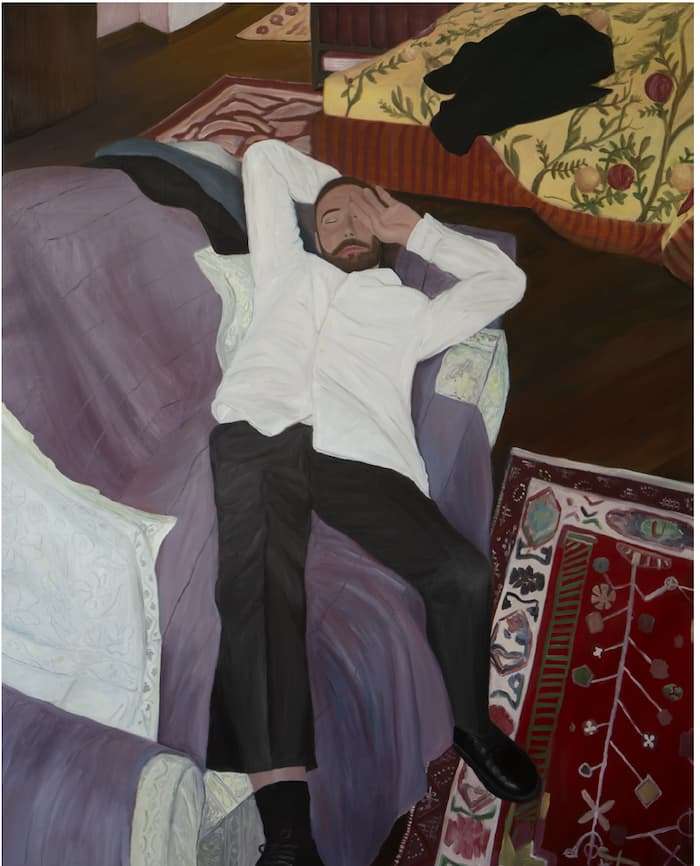
Amit Berman, Watershed, 2024
oil on linen
150x120cm
Copyright: Copyright Amit Berman
Courtesy of Fabienne Levy Art Gallery and Amit Berman
Why fewer exhibitors this year?
The drop in numbers is neither alarming nor unusual. Art Brussels has always hosted between 130 and 190 galleries, and this year we present 139 galleries from 26 countries—a carefully curated selection of top-tier participants.
Our focus is quality over quantity. Two selection committees ensure every application meets our high standards. While Discovery remains unchanged, the slight reduction comes from Prime, dedicated to mid-career and established artists. Loyalty is strong: 85% of Prime galleries return, and 65% of all participants are long-term collaborators.
Participating in fairs has become a strategic choice. Many galleries now favor regional events, reduce overseas travel, and focus on fairs that align with their goals, reflecting rising costs and a shifting global market.
Belgium remains a hub for collectors, centrally located in Europe. The 16% decrease in exhibitors highlights a rigorous, quality-driven selection and a market evolving strategically—making the fair more focused, meaningful, and rewarding for visitors.
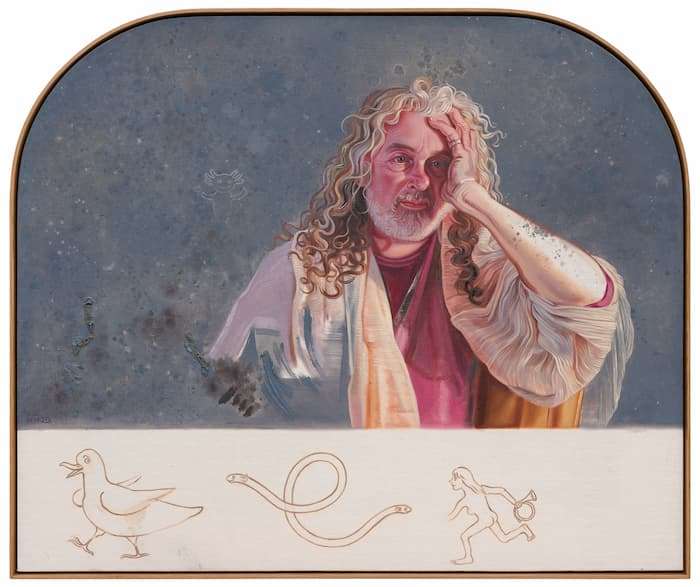
Kati HECK Zutat IV – Mantel, 2025
oil and pencil on canvas, artist frame 123 x 147 cm
48.4 x 57.9 inch Courtesy Tim Van Laere Gallery, Antwerp – Rome Photo: Tim Van Laere Gallery
You declared : “Belgium may be small, but it’s exceptionally well connected. This year, 29% of our galleries are Belgian, out of a total of 26 countries represented ». What do these figures reveal? «
This year, Art Brussels clearly reflects that statement. We welcome galleries from 26 countries: 29% are Belgian, and another 29% come from neighboring countries, including 17% from France. In other words, 58% of our exhibitors are from the immediate region—a reflection of a broader market trend: a focus on strong regional scenes where artistic quality is high and the collector base is particularly active.
At the same time, 10% of galleries come from outside Europe, even though the fair remains predominantly European, with 90% of exhibitors based on the continent.
A particularly notable highlight this year is the return of three major Austrian galleries from Vienna—Krinzinger, Galerie Elisabeth & Klaus Thoman, and Galerie nächst St. Stephan Rosemarie Schwarzwälder. These longtime exhibitors’ decision to come back to Art Brussels is a strong signal of confidence in the fair and its community.
Belgium’s strength also lies in its networks and communities. The country has a solid collecting tradition, with curious, discerning, and engaged collectors in constant dialogue with galleries and artists, both locally and internationally. Brussels has naturally become a meeting point: between institutions, independent spaces, private foundations, and galleries, ideas and audiences circulate continuously.
Finally, Belgium’s “small size” is almost an advantage: short distances from Paris, London, Cologne, or Amsterdam, fast synergies, and the possibility to visit the fair, explore multiple exhibitions across the city, and meet gallerists, artists, and collectors—all in just a few days. This geographic and cultural density greatly contributes to Art Brussels’ international appeal: for many galleries, participating here means accessing a concentrated hub of high-level contacts, visibility, and encounters in an efficient yet welcoming format.
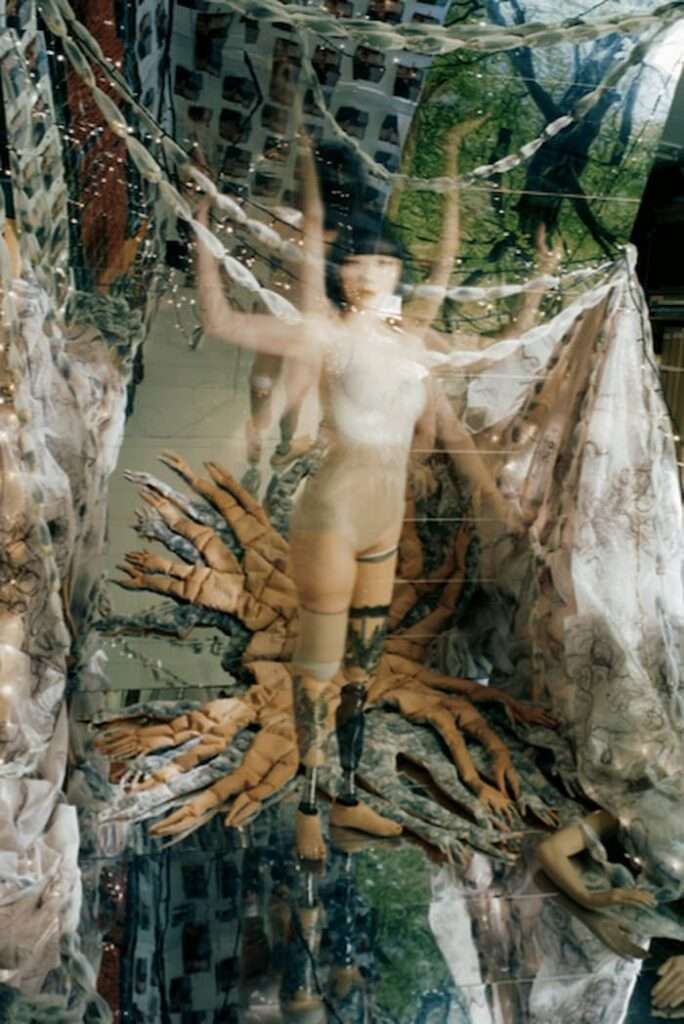
Mari KATAYAMA tree of life #012, 2025 Courtesy the artist, Suzanne Tarasiève galerie
A strong showing of SOLO SHOWS: what stands out?
This year, 26 artists are featured in 26 solo booths, represented by galleries from 15 countries. Women make up 42% of the artists, and all are living. An international jury will award a prize to the most compelling presentation.
The selection is diverse. Highlights include painters such as Ritsart Gobyn (Sofie Van de Velde), known for his trompe-l’œil work, and Loïc Zeebroek, whose landscapes are marked by the absence of human figures. Theatrical figurative paintings by Patrizio Di Massimo (rodolphe janssen) sit alongside Nicola Tyson (Nino Mier), presenting distorted female figures. Johnny Abrahams (Vigo Gallery) offers meditative works inspired by his travels in Japan. Lais Amaral(Mendes Wood DM) and Cassi Namoda (Xavier Hufkens) both draw on personal experience and socio-political contexts: Amaral engages with the Brazilian socio-political landscape, addressing environmental degradation as well as racial and gender identities, while Namoda explores the African diaspora and references modern art history.
Textiles also feature prominently. Lawrence Calver (De Brock Gallery), trained in fashion, creates two-dimensional works from various fabrics, while Ria Bosman (Tatjana Pieters) also works with textiles. Other artists incorporate textiles into sculptural works, including Joana Vasconcelos (Artemis) and Stéphanie Baechler (Whitehouse Gallery). Herman de Vries (Settantotto) develops a practice based on organic materials, exploring the relationship between humans and nature.
Notable sculptors include Sopheap Pich (Axel Vervoordt), who creates minimalist organic wooden forms, and Renate Nicolodi (Ron Mandos), whose sculptures are minimalist yet rigid, drawing architectural references.
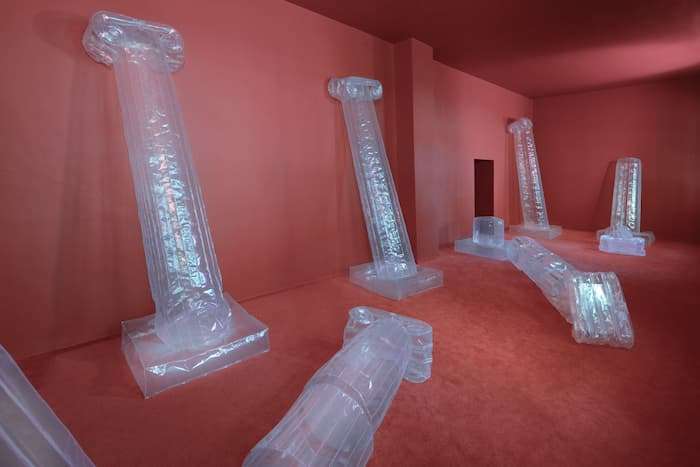
Zuzanna Czebatul, T-Kollaps, 2019-2024, polyethylen, variable dimensions exhibition view, T-Kollaps, 2019, Gdanska Galeria Miejska, Gdansk Courtesy of the artist and Sans titre, Paris
’68 Forward continues with 11 galleries: what do these dialogues reveal?
’68 Forward takes its name from the history of the fair, which began in 1968 as the Foire d’art Actuel. The section focuses on the period 1968–2000, a time of highly diverse artistic production, exploring a wide range of techniques and practices that continue to influence 21st-century artists. It offers both rediscoveries and the chance to engage with works by established artists.
For example, Galería Isabel Hurley (Malaga) presents paintings by three artists born in the 1940s and 1950s—Cybéle Varela (Brazil), Pepa Caballero (Spain), and Chema Cobo (Spain)—created between the 1970s and 1990s. The works demonstrate a rich diversity of techniques and styles, combining abstraction, figuration, and formal exploration, while reflecting personal and socio-political concerns.
Similarly, Studio G7 (Bologna) brings together Franco Guerzoni, Giulio Paolini, and David Tremlett, three artists whose practices were shaped from the late 1960s by questions that remain relevant today. Spanning different generations, they redefined the image, the role of the viewer, and the exhibition space. Their work continues to be active, open, and evolving, resonating strongly in the present.
Among the highlights, the Horizons section, featuring seven monumental works curated by Devrim Bayar: what’s at stake?
The Horizons section presents seven monumental works handpicked by Devrim Bayar, giving artists the space and freedom to fully realize their visions. This intergenerational selection—including two posthumous artists—and multimedia scope (painting, sculpture, design, tapestry) revisits architectural motifs, creates meditative spaces, and unleashes dynamic pictorial forms. It probes the nature of monumentality, challenges how we see, and sparks dialogue on the narratives shaping our societies—while celebrating the ambition and diversity of contemporary creation.
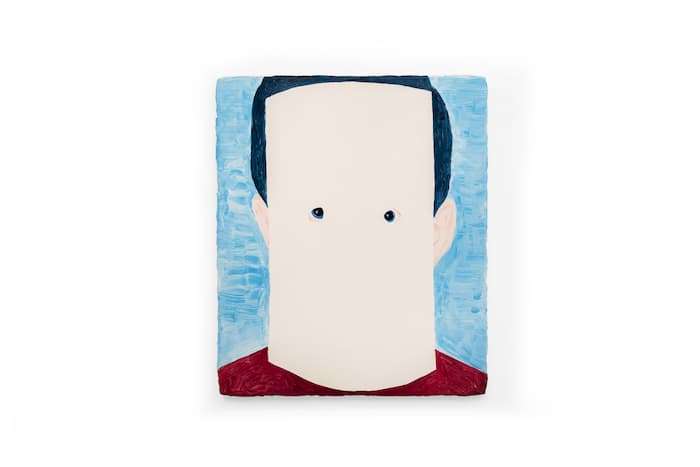
James Rielly, Je ne suis pas le Roi, 2025
Oil paint on canvas, 61 x 51 cm Courtesy the artist, Romero Paprocki
“Not Everything Is For Sale,” a tribute to Belgian gallerists curated by Bernard Marcelis: why the spotlight?
We wanted to honor the gallerists who have supported us for years and left a mark on Belgium’s contemporary art scene and market. This exhibition—the ninth in the Art Brussels–Stibbe partnership (with Stibbe, a leading Benelux law firm)—celebrates Belgian galleries, or those based in Belgium, with at least 25 years of activity.
Fifteen gallerists participate in this edition, including Daniel Templon, active for 60 years, alongside other emblematic figures of the Belgian art market. Templon chose Andy Warhol’s portrait of Leo Castelli, Xavier Hufkens selected a work by Walter Swennen, and Greta Meert presented a piece by Jeff Wall. The collection is rich and revealing. Each gallerist was invited to select a work they could never part with and explain its significance, offering insight into their personal journey, their relationship with art, and decades of contemporary creation. This human dimension—sometimes surprising—is a highlight of the exhibition, shedding new light on the gallerist’s role beyond commerce.
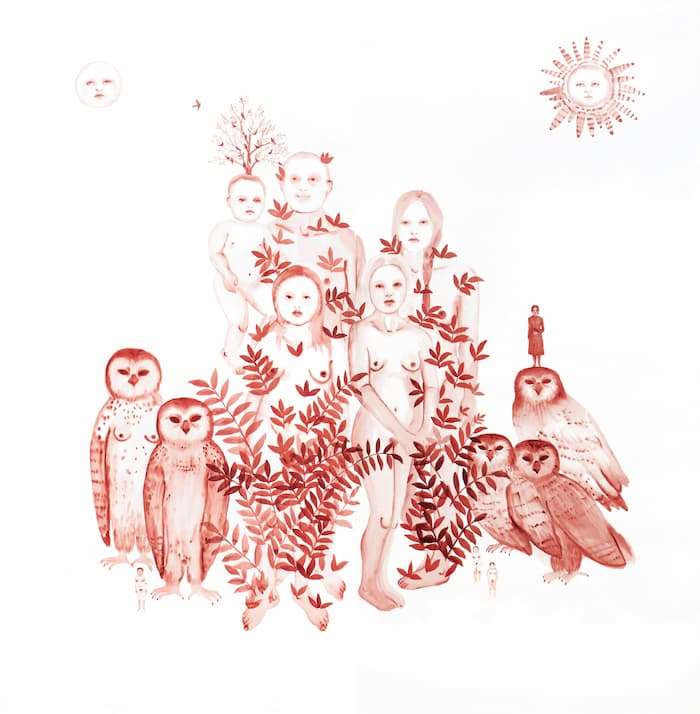
Odonchimeg Davaadorj Courtesy the artist, Backslash gallery
The Art Advisory Desk arrives from Antwerp: what explains the success of this concept?
The success of the Art Advisory Desk lies in its ability to forge real connections between visitors and galleries. First launched at Art Antwerp in December, the concept immediately found its audience. At Art Brussels, we now present version 2.0: bookings are possible, more experts are on hand, and a private space allows visitors to consult before starting their journey with a specialist. The goal remains the same: matchmaking between gallerists and curious art lovers or collectors.
With our experts, each visitor can discover works tailored to their tastes and ambitions, understand the context behind each piece, and receive personalized guidance. The formula makes the art-buying experience more accessible, transparent, and enjoyable—while fostering meaningful dialogue with galleries.
The entrance installation is entrusted to Natasja Mabesoone, represented by Sofie Van de Velde Gallery: a strong statement : how is the selection made each year?
This year, the entrance installation is entrusted to Natasja Mabesoone, represented by Sofie Van de Velde Gallery, a powerful signal. Each year, we choose the proposal primarily to support our own ecosystem. While it might seem more natural to call on an architect to redesign the entrance, as an art fair we aim to create opportunities for artists connected to the fair through their galleries.
It is essential to work with artists who understand spatial dynamics and can navigate multiple constraints—booths, visitor circulation, and the entrance’s primary function. I invited Natasja Mabesoone based on exhibitions I had seen, appreciating her ability to think in space and craft a unique universe, without any outside suggestion. Last year, we collaborated with Céline Conderelli, represented by Vera Cortes.
The Wallonia-Brussels Federation booth transformed by Bertrand Cavalier under Olivier Grasser’s curation into “states of space”: a new experience.
Under Olivier Grasser’s curation, Bertrand Cavalier turns the Wallonia-Brussels Federation booth into an immersive experience with États d’espace. Aluminum sculptures and mobile plexiglass furniture create a space that is simultaneously open and constrained, inviting visitors to interact physically. Photography, video, and drawing extend themes of compression, friction, and constrained geometry, revealing the invisible norms of our environments and questioning contemporary living spaces.
Do you have Fair Ambassadors like at Brafa? How many groups of collectors and art lovers do your teams host?
Yes, we have 13 international ambassadors and 4 Belgian ambassadors, each representing their networks. Thanks to them, we will welcome over 65 groups of international collectors and patrons—a number that has even grown from last year, reflecting the rising interest in Art Brussels.
Which must-see exhibitions would you recommend in the city during Art Brussels?
Among the exhibitions not to miss: Burning the Days by Lutz Bacher at Wiels; Picture Perfect, a group show dedicated to contemporary photography at Bozar; a performative work by Jeppe Hein presented by The Vanhaerents Collection; Sarah Caillard with curator Charlotte Crevits at CC Strombeek; Daylighting; and But It’s the Water That Speaks by Euridice Zaituna Kala at La Loge.
Practical Infos :
Art Brussels 2026
April, 23-26
Brussels Expo
Standard 20euros
Youth 10 euros
OPENING DAY
Thursday 23 April 2026
Preview | 11am – 4pm
Vernissage | 4pm – 9pm
PUBLIC DAYS
Friday 24 April 2026 | 11am – 7pm
Saturday 25 April 2026 | 11am – 7pm
Sunday 26 April 2026 | 11am – 6pm
In the City off program during the fair /
Organise your stay :